Types of VPN: What They Are and How They Differ
Types of VPN
VPN is a technology that allows for the creation of a secure connection between two devices or between a device and a network. This connection uses a special protocol that protects data from interception and unauthorized access.
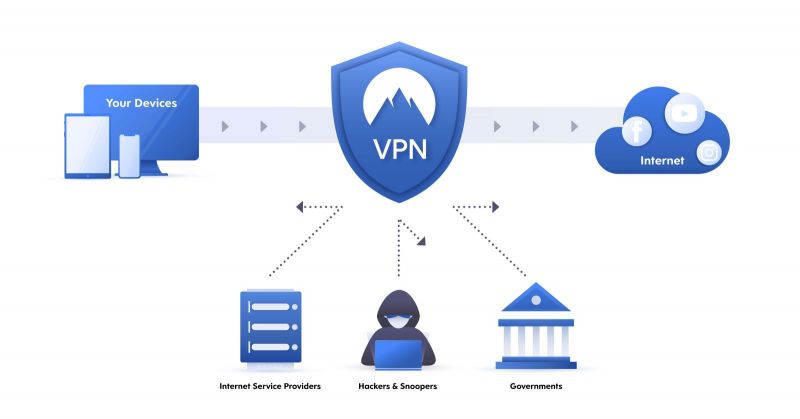
You go online to get information and perform various operations. But do you know that hidden risks to your security lurk on the web? That's why we suggest you use the R-VPN service, which will help you solve most online problems and maintain constant security on the Internet. With R-VPN, you can avoid surveillance by malicious actors and government agencies, as well as bypass blocks on online resources, allowing you to work freely and safely on the Internet. Whether it's shopping in online stores or paying for services, with R-VPN you can do it without any issues. But that's not all! R-VPN provides you with unlimited access to any internet services starting from just $4 per month, along with discounts and a free trial version. The service is compatible with all operating systems, including macOS, Windows, iOS, Linux, and Android, allowing you to use it on any device, wherever you are. Furthermore, R-VPN guarantees fast data transfer without restrictions on traffic volume or type, using advanced encryption algorithms like Shadowsocks, WireGuard, L2TP, IKEv2, and OpenVPN. This means your data will be protected from any attempts at unauthorized access. And if you have any questions or problems, our consultants are ready to help you at any time. Additionally, subscribers to our Telegram channel and chat (https://t.me/rvpn_info, https://t.me/rvpn_chat) can participate in contests, receive gifts, and get answers to their questions. Thus, if you want to work online without any problems or risks to your security, we recommend using the R-VPN VPN service. Our service provides you not only with security but also with freedom on the Internet. Try our free trial version and see for yourself!
What Types of VPN Exist and How Do They Differ?
There are several types of Virtual Private Networks that can be used depending on individual needs and goals.
-
Shared VPN – This is a common VPN server used by multiple clients simultaneously. It is typically used by small companies or home users who cannot afford a more expensive solution.
-
Private VPN – This is a VPN server operated by only one client. It is often used by large companies that want to ensure higher security and data confidentiality.
-
Site-to-Site VPN – This type of VPN connects two or more networks at different locations, allowing them to exchange data securely and confidentially. It is often used to connect company branches or even different companies.
-
VPN Tunneling – This type of VPN creates a secure tunnel between a device and a network using a special protocol. This ensures the confidentiality and security of data transmitted through this tunnel.
-
SSL VPN – This type of VPN uses SSL (Secure Sockets Layer) or TLS (Transport Layer Security) technology to create a secure connection between a device and a network. This type is usually used for connecting to remote workplaces or resources via a web browser without the need to install additional software on the device.
-
PPTP VPN – This type of VPN uses the PPTP (Point-to-Point Tunneling Protocol) to create a secure connection between a device and a network. This type is commonly used for connecting to a workplace network or for accessing a home network over the Internet.
Each type has its own advantages and disadvantages, and the choice of the appropriate type depends on individual needs and goals.
VPN Implementation Levels
A VPN can be implemented at various network levels. Depending on the implementation level, different mechanisms and protocols are used to create and ensure a secure connection.
-
Session Layer – This is the lowest implementation level. At this level, protocols such as PPTP (Point-to-Point Tunneling Protocol) and L2TP (Layer 2 Tunneling Protocol) are used. They create a tunnel between devices and provide confidentiality and integrated authentication at the session level.
-
Transport Layer – This is a higher implementation level for VPN, where protocols such as IPSec (Internet Protocol Security) are used to protect data at the data transmission level. This provides higher security and confidentiality as it protects data at the low-level transport layer.
-
Network Layer – This is an even higher implementation level for VPN, where protocols such as MPLS (Multiprotocol Label Switching) are used to create a secure connection at the network level. This allows for higher security and network access control, as well as improved network traffic quality.
As with the different types of VPN, each implementation level has its own advantages and disadvantages, and the choice of the appropriate level depends on individual needs and goals.
VPN Structure
The structure of a VPN consists of several components:
-
Clients – These are the devices used to connect to the VPN. This can be a computer, smartphone, tablet, or even a router.
-
Server – This is the device that provides access to the VPN and processes client requests. It can be a physical or virtual device.
-
Protocol – This is the protocol used to create and ensure a secure connection. It can be PPTP, L2TP, IPSec, or OpenVPN.
-
Authentication and Authorization – These are the processes used to identify and authenticate clients before granting them access to the VPN. This can involve using a username and password, a certificate, or other forms of authentication.
-
Encryption – This is the process used to protect data from interception and unauthorized access. It can involve using various encryption algorithms such as AES, RSA, or Blowfish.
These components work together to ensure the security and confidentiality of data when connecting to a VPN. They can be configured depending on the individual needs and goals of the company. However, to ensure maximum security, it is important that all components are reliable and up-to-date, and configured according to best practices and security standards.
Classification of VPN by the Security Level of the Environment Used
VPN can be classified by the security level of the environment used into three types:
-
Internal VPN – This type of VPN is used to connect various devices within a single organization. This can involve connecting workstations, servers, mobile devices, and other devices to a common network. This type ensures data protection within the organization and guarantees the confidentiality of information shared among different departments and units.
-
External VPN – This type of VPN is used to connect remote workers or partners to the organizational network. This can include connecting to the network via the Internet or cellular communication. This type ensures security and data confidentiality for remote workers who may need access to the network from anywhere in the world.
-
Backup VPN – This type of VPN is used to ensure network access in case the primary network suddenly becomes unavailable. This can involve using an additional VPN connection to ensure continuous operation in the event of a primary network failure or unavailability. This type provides access to critical systems and data at any time, even during accidents or natural disasters.
Depending on the individual needs and goals of a company or organization, one or several types of VPN can be used to ensure maximum data security and confidentiality.
Classification of VPN by Implementation Method
VPN can be classified by the implementation method into four types:
-
Remote Access VPN – This type is used to connect remote clients to a network via the Internet. It implies using a VPN client to configure the connection and provide secure access to the network and its resources.
-
Self-Service VPN – This type is used to connect to a network without using a VPN client. In this case, VPN protocols such as PPTP or L2TP are used to configure the connection and provide secure access to the network and its resources.
-
Social VPN – This type is used to connect to a network through social networks. For this, special applications or browser extensions are usually used, which allow configuring and using a VPN connection via social networks. This type of VPN can be used to bypass regional restrictions or to connect to a network when other connection methods are unavailable.
-
Satellite VPN – This type of VPN is used to connect to a network via a satellite connection. In this case, a satellite modem or router is used to configure the VPN connection and provide secure access to the network and its resources in remote areas or places with limited Internet access.
Depending on where and how one needs to connect to the network, different types of VPN can be used to ensure maximum data security and confidentiality. For example, for a remote worker who constantly moves and needs network access from various locations, a Remote Access VPN may be the most suitable option. For a company operating in a remote area and needing reliable and continuous network access, a Satellite VPN may be the optimal choice.
Classification of VPN by Purpose
VPN can be classified by purpose into three types:
-
Business/Corporate VPN – This type of VPN is used to connect work computers and employees to the office network, allowing them to exchange data and access company resources from anywhere in the world. This type of VPN ensures connection security and data confidentiality.
-
Consumer/Personal VPN – This type of VPN is used to connect individual consumers to the network who want to ensure the confidentiality of their data and protection from cybercrime when using the Internet.
-
Specialized VPN – This type of VPN is used to ensure a secure connection for special purposes, such as banking transactions or access to confidential information in a medical organization. This type of VPN may use additional security measures, such as two-factor authentication or cryptographic protocols, to ensure maximum data protection.
Each type of VPN has its own characteristics and is designed to solve different tasks. For example, a Business VPN is ideal for companies that want to provide mobility to their employees and ensure access to the company network and resources from anywhere in the world. A Consumer VPN can be used to ensure the confidentiality and security of data for individual users who use the Internet to view personal information or perform banking transactions. A Specialized VPN can be used to ensure a secure connection for specialized applications, such as medical or banking systems, which require additional data protection.
Classification of VPN by Protocol Type
VPN can be classified by the type of protocol used into the following categories:
-
PPTP (Point-to-Point Tunneling Protocol) – This protocol was developed by Microsoft and is used to create a secure connection between two points. It is easy to configure and is available for many operating systems. However, PPTP has some security level issues and is not recommended for use in critical networks.
-
L2TP (Layer 2 Tunneling Protocol) – This protocol combines PPTP and L2F (Layer 2 Forwarding Protocol) and is used to create a secure connection between two networks. It has a higher degree of security than PPTP but requires more complex configuration.
-
IPsec (Internet Protocol Security) – This protocol creates a secure connection between two points using various encryption and authentication methods. It is the standard for protecting network connections and supports many different encryption algorithms. However, the IPsec system can be complex to configure and administer.
-
OpenVPN – This protocol is open-source and is used to create a secure connection between two points. It supports many different encryption algorithms and can be configured for use with many different operating systems.
Each type of protocol has its own strengths and weaknesses. For example, PPTP is easy to configure but has some security issues. L2TP has a higher degree of security but requires more complex configuration. IPsec is the standard for protecting network connections but can be complex to configure and administer. OpenVPN offers open-source code and support for many OSes but may require additional resources for configuration and administration.
The choice of VPN protocol depends on individual needs and security requirements. It is recommended to consult a specialist or your VPN provider for additional information and assistance in choosing the most suitable protocol for your network.
Classification of VPN by Network Protocol Level
VPN can be classified by the network protocol level into the following categories:
-
Network Layer VPN – This type of VPN operates at the level of network protocols such as IP or ICMP. It uses special encryption and authentication methods to ensure a secure connection between two networks. Protocols used for creating network layer VPNs include PPTP, L2TP, and IPsec.
-
Transport Layer VPN – This type of VPN operates at the level of transport protocols such as TCP or UDP. It uses SSL or TLS to encrypt traffic and ensure connection security. One of the most well-known transport layer VPN protocols is OpenVPN, which uses SSL or TLS to encrypt traffic and ensure connection security.
-
Session Layer VPN – This type of VPN operates at the session level and uses tunneling technology to create a protected connection between two points. It uses protocols such as SSH or RDP to create a secure tunnel that allows data transmission between two points. This type of VPN is used to protect sessions such as remote management or file access.
As with the classification of VPN by other criteria, each type of VPN has its strengths and weaknesses. For example, a Network Layer VPN can be easily configured but may not be secure enough, while a Transport Layer VPN can be more secure but requires more complex configuration. When choosing a VPN, one should consider individual needs and security requirements and consult with a specialist or VPN provider.
VPN Connection on Routers
One of the ways to implement a VPN connection is by using a router. A router is a device that redirects traffic on a network and uses routing rules to determine where traffic should be directed.
To implement a VPN connection using a router, it must be configured using special software or a web interface. This may include specifying encryption and authentication parameters, configuring routing rules to redirect traffic through the VPN tunnel, and setting up network access.
Furthermore, a router can be used to implement various types of VPN, such as PPTP, L2TP, and IPsec. Depending on the router model and its settings, one or several types of VPN may be supported.
Using a VPN connection with a router can provide an additional layer of security and privacy for the network, as well as allow remote workers or partners to have secure access to the company network. However, it is necessary to remember the importance of proper configuration and updating of the router to ensure the quality and security of the VPN connection. If you are unsure of your abilities or do not know how to configure a VPN connection on a router, you should contact a qualified specialist or service provider.