The Pros and Cons of Using a VPN - R-VPN research
A Virtual Private Network can be incredibly useful, but it also comes with its own set of drawbacks. Before you start using a VPN, it's important to understand both its advantages and its limitations.
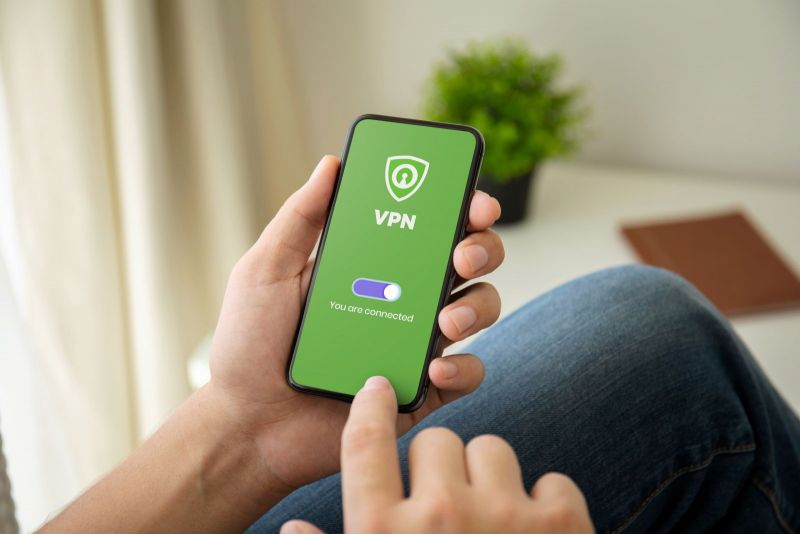
Today, the internet is an integral part of many people's lives. However, along with the opportunities it provides, there are also numerous threats related to online security. To protect their data and avoid trouble, many users turn to VPN services. In this article, we will tell you about R-VPN – a new service that can help you solve many online problems and ensure your security on the internet. R-VPN is a powerful tool that will help you avoid surveillance by cybercriminals and government monitoring agencies, bypass blocks on internet resources, and make purchases and payments online without issues. With R-VPN, you can secure your personal data and stop worrying about potential online threats.
One of the main advantages of R-VPN is its affordability. The service offers unlimited access starting from $4 per month, discounts for loyal customers, and a free trial. Thanks to these prices, every user can afford to use R-VPN and secure their online life.
But price isn't the only advantage of R-VPN. The service is compatible with all operating systems (macOS, Linux, Windows, iOS, Android) and guarantees reliable data transfer without bandwidth limitations, using advanced encryption algorithms (Shadowsocks, IKEv2, WireGuard, L2TP, OpenVPN). This means you can be confident in the security of your data and enjoy full-fledged internet use.
Furthermore, our experienced online consultants are ready to help users if any problems arise. If you have questions or encounter issues while using the service, you can always contact a consultant who will answer all your questions and help resolve the problem.
Finally, subscribers of our Telegram channel (https://t.me/rvpn_info) and chat (https://t.me/rvpn_chat) can participate in various contests, discuss different topics, and win prizes. This is a great opportunity to get comprehensive information about the service and its capabilities.
So, if you've decided to ensure your security on the global network, wish to bypass blocks, and gain unlimited access to online resources unavailable in your region, then R-VPN is the optimal solution. Test our service and see for yourself how it surpasses the alternatives.
Pros:
-
The main advantage of a VPN is that it provides additional security for your internet connection. It encrypts your traffic, protecting you from hackers who may try to intercept your personal data.
-
A VPN allows you to bypass geographical restrictions and access blocked websites. This is especially useful if you are in a country with limited access to certain sites or services.
-
A VPN can increase connection speed if you use a server located nearby.
Cons:
-
Some VPN services can be more expensive than you expect. Although there are free options, they often limit speed and functionality.
-
Installing and configuring a VPN can be difficult for those without experience in networking and internet settings.
-
A VPN can reduce connection speed if you use a server far from your location.
-
Some VPN services may collect and store your personal data, which can compromise your privacy. It's important to choose services that honestly explain how they store and use your data.
In general, a VPN is a useful service that can provide additional security and anonymity on the internet. However, it also has a number of drawbacks worth considering when choosing a VPN service. It's important to understand which features you need and to clearly understand the service's privacy policy to choose the most suitable option.
Why Using a VPN is Important
Nowadays, the internet has become an integral part of our lives. We use it for work, study, communication with friends and family, searching for information, and much more. However, along with the conveniences the internet offers, there are also risks to security and privacy. Using a VPN (Virtual Private Network) is one way to protect yourself from these risks and maintain your anonymity online.
One of the main benefits of using a VPN is the protection of your privacy. When you connect to a VPN, your data is encrypted and transmitted through the VPN server, making it inaccessible to third parties.
Another important advantage of a VPN is the ability to bypass blocks on websites and services. In some countries, certain sites may be blocked for various reasons. Using a VPN, you can bypass these blocks and access the resources you need.
Although a VPN offers many benefits, it's also worth keeping some disadvantages in mind. First, some VPN services can be more expensive than a regular internet connection. Second, using a VPN can reduce your internet connection speed. Also, it's important to consider that some VPN services may have usage limits or a limited number of servers you can connect to.
A VPN Will Protect You
A VPN (Virtual Private Network) is a way to ensure the security of your data and anonymity on the internet. When you use a VPN, your data is encrypted and transmitted through the VPN server, making it inaccessible to outsiders. This is especially important if you are connected to an unsecured Wi-Fi network, such as those found in cafes, hotels, or airports. In such cases, malicious actors can easily intercept your data if you are not using a VPN.
Moreover, by using a VPN, you can maintain your anonymity online. When you visit websites, your IP address is usually sent along with requests, allowing the site to determine your location and information about your device. Using a VPN, you can hide your real IP address and appear as if you are in another country, which can be useful, for example, for bypassing access restrictions to certain sites or protecting your identity from spammers and advertisers.
Although a VPN offers many advantages, it's worth remembering that not all VPN services are equally good. Some VPN providers may be unreliable and not provide the necessary protection. Therefore, it's important to choose only reliable VPN services with a good reputation and reviews.
VPN Opens Access to Geo-Restricted Content
A VPN (Virtual Private Network) allows you to hide your real IP address and appear as if you are in another country. This can be very useful if you want to bypass geographical restrictions on accessing certain content.
Currently, many sites and services, such as Netflix, Hulu, and Spotify, have various access restrictions to their content depending on where the user is located. For example, some movies and TV shows may only be available in the USA, and some music albums only in Europe.
By using a VPN, you can bypass these restrictions and access content that is normally unavailable to you. To do this, you need to connect to a VPN server in the country where the content is available, and all your requests will be redirected through that server. The services will recognize you as a user from that country and grant you access to the content.
However, it's worth noting that not all VPN providers work with such efficiency. Some services may block VPNs and deny you access to content. Therefore, it's important to choose only reliable VPN providers that successfully work with such services.
A VPN Can Increase Connection Speed
You may have heard that using a VPN can slow down your internet connection. This is because all your requests and data must pass through the VPN server, which takes additional time. However, using a VPN also has positive aspects that can increase connection speed. First, a VPN can help bypass local restrictions and blocks that may be slowing down your connection. For example, some employers or universities may block access to certain sites or services, which can reduce connection speed. Using a VPN, you can bypass these restrictions and get fast access to the resources you need.
Second, a VPN can help protect against so-called "throttling" at the local network level. This is a practice where internet service providers or network administrators intentionally slow down connection speeds. Using a VPN, you can bypass this throttling and get faster access to the internet.
VPN is Not a Perfect Solution
Although a VPN (Virtual Private Network) offers many advantages, such as anonymity, security, and bypassing geographical restrictions, it also has a number of disadvantages. Therefore, a VPN is not a perfect solution for all situations.
One disadvantage of a VPN is reduced connection speed. All your requests and data must pass through the VPN server, which takes extra time. This can be especially noticeable when using low-speed connections.
Another disadvantage of a VPN is the possibility of being blocked by some services. For example, some sites and services, such as Netflix or Hulu, may block access from VPNs. This is because they try to protect their content library and do not allow access via VPN to prevent unauthorized use.
It's also worth considering that a VPN cannot provide complete anonymity. While it can protect your data from hackers and internet providers, it cannot prevent surveillance of your activities by governments or other organizations.
VPNs Can Be Expensive
Using a VPN (Virtual Private Network) can be more expensive than you might expect. Although there are many free VPN services, they may not offer the same features and level of protection as paid services.
Paid VPN services can cost from a few dollars per month to several hundred dollars per year. The price depends on factors such as service quality, connection speed, number of servers, and supported devices. Some services offer various tariff plans depending on your needs, so it's worth looking at different options.
It's also worth remembering that some VPN services may offer a free trial period, after which you must switch to a paid plan. This can be a good way to try the service before paying the full cost.
VPNs Can Be Complicated
Using a VPN (Virtual Private Network) can be complicated for those without experience with the internet or network configuration. Although many VPN services claim to be easy to install and set up, this is not always the case.
One challenging aspect is choosing the right VPN service. There are many different providers, each offering various features and tariffs. It's important to understand which features you need and what budget you are willing to allocate for a VPN.
Another challenging aspect is installing and configuring the VPN on your device. Although many services offer ready-made clients for various devices, this does not always guarantee simple installation. Some devices, such as routers or smart TVs, may not have built-in VPN support and require manual configuration.