Choosing a Country for Your VPN
Choosing a Country for Your VPN
VPN providers generally allow users to choose the country in which their server is located. Many users make this choice without much thought, not realizing that the country selected for a VPN server significantly affects access to desired resources, the quality of encryption, and data transfer speed.
This is because each country has its own laws regulating internet content and user privacy. Additionally, when connecting to a VPN, it is advisable to select a server as geographically close as possible to ensure faster data exchange and better connection speeds.
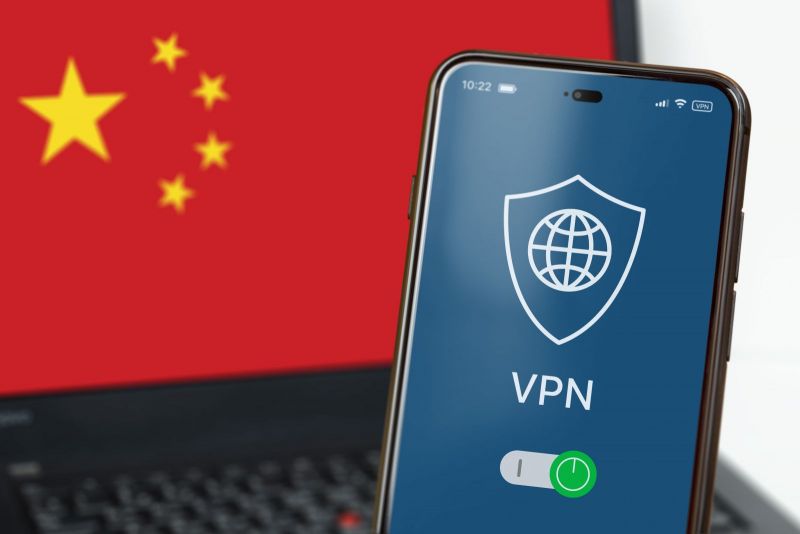
Protect Your Internet Access with Our Modern VPN Service
With our service, you can stay one step ahead of Roskomnadzor, ISPs, and government agencies trying to track your location or block access to certain content. Most importantly, you can enjoy unrestricted access to foreign websites blocked in Russia, including Amazon, ChatGPT, Netflix, and make online payments smoothly.
Our service starts at just $4 per month, making it a highly cost-effective alternative. We also offer discounts and a free trial period — all you need is an email address and a strong password. Once registered, you can experience our services firsthand, and our expert technical support team is always ready to assist you.
We use modern connection technologies such as IKEv2, WireGuard, Shadowsocks, L2TP, and OpenVPN, ensuring high-speed, secure, and stable access.
Compatibility and Security
Our applications work seamlessly across all operating systems and devices — from Windows to Linux, macOS, iOS, Android, as well as on routers, tablets, and smartphones. We guarantee fast connections and reliable encryption protocols, so your data is transmitted without bandwidth restrictions.
With R-VPN, you can unblock websites restricted in your country while protecting yourself from cyber risks and government surveillance. Our support team is always ready to answer your questions.
Stay updated with our latest news by joining our Telegram channel (https://t.me/rvpn_info) or chatting with other users in our Telegram group (https://t.me/rvpn_chat), where we frequently host prize draws!
Why VPN Server Location Matters
When choosing a VPN country, you should consider your own needs, particularly the resources you plan to access and your physical location. For maximum speed, it’s best to select servers in your own country or neighboring states.
For example, if you are physically in Germany, it is recommended to use servers in Germany itself, as well as nearby countries such as France, Belgium, Poland, Denmark, and others.
However, another issue to consider is that the server should not be located in a country where the content you wish to access is blocked. Countries with high internet freedom are ideal, even if they are geographically distant, as they typically respect user privacy.
How to Choose a VPN Server Location
Internet content is constantly subject to censorship, and freely expressed opinions can sometimes lead to serious consequences, including legal prosecution. Content is blocked directly by providers at the request of regulatory authorities. In Russia, this is done by Roskomnadzor.
Some countries have centralized internet systems, which can easily be shut down or restricted from accessing external resources. A VPN server helps bypass most restrictions by allowing access from countries where the desired resources are not blocked. Proper traffic encryption prevents authorities and cyber police from identifying users who access restricted content, which is particularly important in countries with limited internet freedom.
Choosing the right country for your VPN allows you to safely and smoothly use restricted messengers, social networks, download and watch videos, and more.
When connecting to a VPN, users typically have a wide choice of servers located in different countries. It’s important to find a balanced option — geographically close, with maximum internet freedom, and a strong privacy policy.
Criteria for Evaluating Internet Freedom by Country
Experienced users often rely on certain criteria to determine whether a country is suitable for VPN connection. Studies conducted across 149 countries have shown which nations are the most free and which restrict users’ rights. Key factors to consider include:
-
User Monitoring: 109 countries monitor users in some form, while only 40 countries do not. Personal data is often collected and stored on third-party servers, and some countries have agreements for joint monitoring.
-
Social Media Restrictions: 11 of 149 countries block access to social networks, limiting citizens’ communication. Overall, VPN access to social networks is rarely an issue.
-
VPN Service Bans: 17 countries have banned VPNs outright. Modern technologies and protocols can bypass some bans, though there may be legal risks.
-
Inequality of Access: Some countries offer heavily restricted versions of the internet for the general population, while political elites may enjoy full access.
-
Torrent Restrictions: Torrent technology is often considered illegal for copyright reasons and is restricted in 71 of 149 countries.
Countries with the most internet freedom, strong user data protection, and advanced communication infrastructure include:
-
Iceland
-
Estonia
-
Canada
-
Costa Rica
-
Taiwan
Among post-Soviet countries, Georgia currently has the highest level of internet freedom.
Countries with Strict Internet Censorship
Some countries have very high levels of censorship:
-
China: Despite internet availability, China has one of the most powerful censorship systems. Most foreign websites, social networks, and messengers are blocked. VPNs and torrents are restricted, and content is strictly filtered.
-
North Korea: The internet is heavily restricted, with most mobile phones unable to connect. The national network, Kwangmyong, links educational and research institutions.
-
Russia: Malicious content such as extremism, drugs, and violence is blocked, along with many other sites. Most VPN providers are also blocked, though access is relatively equal for all citizens.
-
Cuba: Internet technology is developing, but many resources remain blocked. Only Skype is generally allowed, and torrents are permitted.
-
Iran: Western social networks like YouTube, Twitter, and Facebook are blocked, along with other foreign media. Surveillance is strict, and punishments for violations can be severe, up to the death penalty.
Choosing the right VPN server location optimizes service performance, maximizes speed, and protects your data when accessing restricted resources. Free versions are suitable for home use, but paid services are recommended for work or professional purposes.