How to Quickly Bypass VPN Blocking
How to Quickly Bypass VPN Blocking
Many companies that offer original or paid content are concerned about protecting it, which is why they continuously implement systems designed to block VPN connections. As a result, access to websites, platforms, and content may be restricted either entirely or within specific regions. In such cases, a fast and effective VPN block bypass can help restore access to content from anywhere in the world.
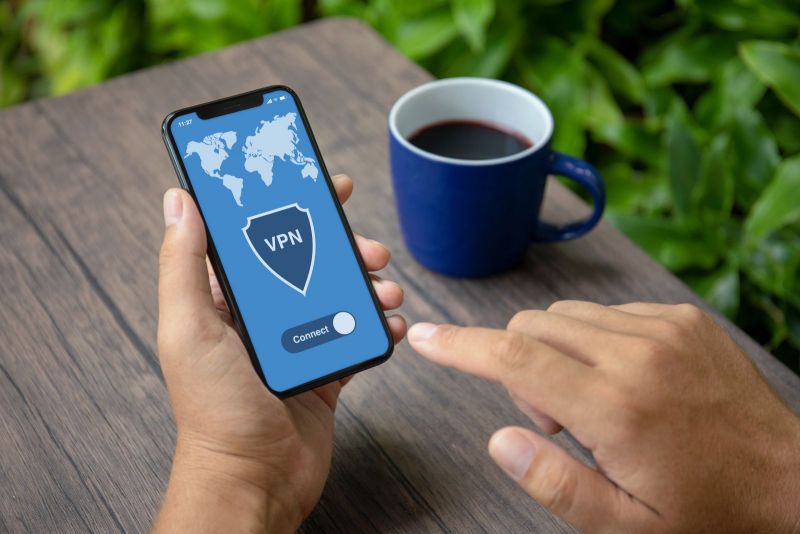
Protect Your Online Life with R-VPN!
R-VPN is a reliable VPN service that helps solve a wide range of online challenges while ensuring your internet security. If you want to protect your data from hackers and government surveillance, bypass website restrictions, make выгодные purchases in international online stores, and make payments in different currencies without issues, R-VPN is the perfect choice for you.
The service offers unlimited access starting at just $4 per month, as well as discounts for loyal customers and a free trial. It is one of the most affordable VPN services on the market, combining high-level security with real cost savings.
R-VPN is compatible with all major operating systems — Windows, iOS, macOS, Linux, and Android — and guarantees stable, reliable data transmission without bandwidth limitations. Our team uses advanced encryption protocols (WireGuard, L2TP, Shadowsocks, IKEv2, OpenVPN) to provide maximum security and protect your personal data.
And that’s not all. Our support consultants are always ready to help you resolve any issues and answer your questions. Subscribers to our Telegram channel (https://t.me/rvpn_info) and chat (https://t.me/rvpn_chat) can participate in giveaways, ask questions, and win prizes.
Protect your online life with R-VPN. Our service helps you bypass all restrictions while providing reliable internet security. Connect to R-VPN today and enjoy true freedom and safety online.
Why Are VPNs Blocked?
Most companies use VPN blocking to prevent residents of countries where certain content is restricted from accessing it. However, many VPN providers continuously introduce new protocols and solutions that allow users to bypass these restrictions.
Another major reason for VPN blocking is copyright protection. When a platform offers apps, videos, audio, or software and users access it from regions that do not have the appropriate licenses, content creators lose revenue they are entitled to. To prevent this, many platforms actively implement VPN blocking techniques.
Different Types of VPN Blocks
Most companies use several common methods to detect and block VPN connections. The most widely used VPN detection techniques include:
- Shared IP addresses.
One inherent feature of VPNs is that they assign the same IP address to a large number of users — sometimes thousands. These shared IPs are recorded when users register or log into platforms via a VPN. Specialized algorithms detect such IP addresses, recognize them as belonging to VPN providers rather than individual users, and block them.
For this reason, it is recommended to use VPN services with dynamic IP addresses that change periodically, making tracking extremely difficult and blocking almost impossible.
- IP and DNS mismatches.
Many platforms that aim to restrict access to certain user groups analyze DNS settings. If discrepancies are detected between IP and DNS server data, this is treated as a sign of VPN usage, and access to the service is blocked.
- Location data and GPS.
Some algorithms continuously compare GPS coordinates with IP-based geolocation. If the locations do not match, the system automatically blocks the VPN connection along with access to the content. This method is particularly common when blocking VPNs on mobile devices.
Despite these measures, many VPN providers offer powerful software solutions that allow users to bypass blocks with minimal loss of speed while maintaining strong encryption that prevents data from being shared with third parties.
How to Bypass VPN Blocks from Russia
When a service detects VPN usage, it may respond in different ways. Often, users receive a message stating that VPN connections are not supported or that an error has occurred. Some platforms display error codes such as M7111-5059 or M7037-1111.
Other platforms do not display error messages directly but instead restrict access to certain content, limiting full functionality. For example, Netflix may only show content available in all regions worldwide.
In such cases, it is important to know how to bypass VPN blocking in Russia to regain access to restricted content. There are several effective methods.
Switch to Another Server
If a service blocks a VPN IP address by adding it to a blacklist, try switching to another server located in the same country. If the new server’s IP has not yet been blacklisted, access will be fully restored.
To simplify this process, it is recommended to choose VPN providers that regularly update their IP addresses. This allows users to quickly switch to a new IP and continue using the service. Additionally, DNS protection is highly desirable, as it significantly reduces the likelihood of IP addresses being blacklisted.
Clear Cache and Cookies
Many platforms use cookies to collect information about a user’s location and other data. This information is often used in VPN detection algorithms, leading to VPN blocking.
The issue can usually be resolved by clearing your browser’s cache and cookies. For example, in Google Chrome, follow these steps:
-
Open the menu in the top-right corner and select Settings.
-
In the left panel, choose Privacy and security.
-
Open Clear browsing data, check all options, and click Delete data.
After that, reload the website that was blocking the VPN.
Disable IPv6
IPv6 leaks triggered by certain website requests can reveal a user’s real location. If it does not match the VPN location, access is blocked. High-quality paid VPN services usually provide protection against such leaks.
If you prefer not to use a paid service, you can manually disable IPv6. For Windows, follow these steps:
-
Open the Start Menu, go to Control Panel, then Network and Internet.
-
Select Network and Sharing Center.
-
Right-click the active network and choose Properties.
-
Find Internet Protocol Version 6 (TCP/IPv6) and click OK to disable it.
After disabling IPv6, you can try accessing the restricted service again.
Change the VPN Protocol
This is one of the most effective methods, as some protocols are better at hiding data used by third-party services to block VPNs. Choose VPN services that support multiple protocols.
The PPTP protocol is considered the least secure. If you experience access issues, switch to WireGuard or IKEv2, which usually bypass blocks while maintaining high connection speeds. To do this, you need to know which protocols your VPN supports and how to enable them.
Use a Smart DNS Service
Many VPN providers offer a Smart DNS service. Its purpose is to mask the real DNS address by replacing it with a virtual one. All requests are routed through a proxy server located in the country of the selected IP address.
This approach misleads the target platform, preventing it from blocking VPN access. One major advantage of Smart DNS is its compatibility with streaming services.
Contact Customer Support
Most VPN services offer 24/7 customer support chats. Support specialists can provide up-to-date information on the best servers for specific regions that are not blocked by certain platforms.