VPN Restrictions in Russia
VPN Restrictions in Russia
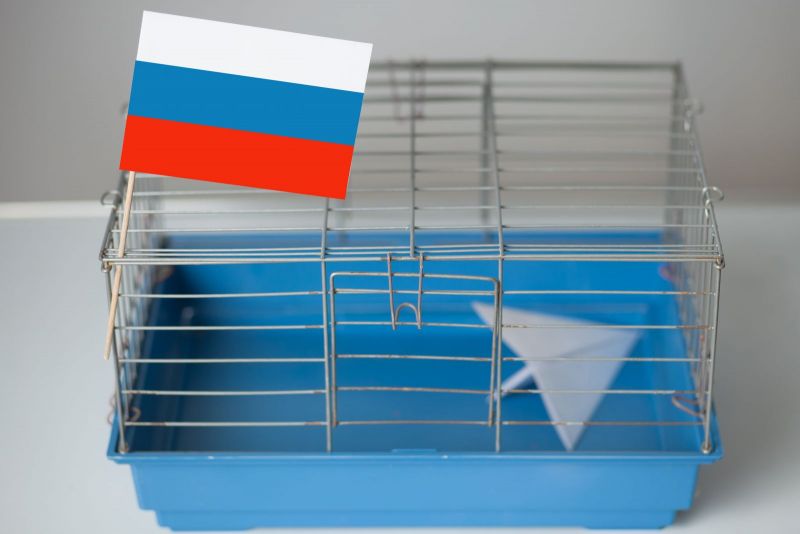
After Roskomnadzor blocked a large number of services, websites, and social networks across the Russian Federation, many users began actively using VPN services. As a result, the next logical step was the restriction of VPNs themselves, despite the fact that regulatory authorities had previously stated that using VPN services was completely legal.
At present, the Ministry of Digital Development and supervisory authorities are searching for effective tools and technical methods to block VPN services that provide access to so-called “undesirable” resources. At the same time, VPN providers are also preparing for these measures by developing countermeasures and alternative technical solutions.
Why Choose Our VPN Service
Our VPN service protects your online activity and privacy. With us, you can stay one step ahead of Roskomnadzor, internet service providers (ISPs), and other government agencies that attempt to track your location and restrict access to specific content.
You will gain unrestricted access to foreign websites blocked in Russia, including Netflix, ChatGPT, Amazon, and many others, as well as the ability to make purchases and payments without difficulties. Our pricing starts at just $4 per month, making it significantly more affordable than many alternatives.
We offer attractive discounts and a free trial period — all you need to get started is an email address and a secure password. By registering, you can evaluate the quality of our services firsthand, while our professional customer support team is always ready to assist you when needed.
We protect your data using modern technologies such as Shadowsocks, IKEv2, WireGuard, L2TP, and OpenVPN. Our applications are designed to be compatible with all major operating systems and digital devices — including Windows, Linux, macOS, iOS, Android, as well as routers, tablets, and smartphones.
We provide high speeds and reliable encryption protocols, ensuring that your internet activity remains private and unrestricted. Using our service allows you to access websites blocked in your region while protecting yourself from cyber threats and government surveillance.
Our customer support team is always available to answer your questions. To stay up to date with the latest news, join our Telegram channel (https://t.me/rvpn_info) or chat with other users in our Telegram group (https://t.me/rvpn_chat), where we regularly hold contests and giveaways.
Why VPNs Are Being Restricted in Russia
It should be noted that there is no unified position among Russian authorities regarding VPN blocking. After services like Instagram (owned by an organization recognized as extremist in the Russian Federation) were blocked, many high-ranking officials openly admitted that they themselves occasionally used VPN services to bypass restrictions and access blocked resources.
However, shortly afterward, Roskomnadzor initiated systematic VPN blocking. The primary justification for these measures is the claim that foreign organizations allegedly collect personal data of Russian citizens without authorization and subsequently transfer this data to companies involved in large-scale cyberattacks on government systems and services.
The legal basis for such actions is the Law on the Sovereign Internet. While this law formally allows VPN usage, it permits only those VPN services that provide access exclusively to websites, applications, and services not blocked by Roskomnadzor. In other words, a VPN service is considered legal only if it does not allow access to state-blocked resources. If it does, its operation is deemed illegal.
Additionally, authorities decided to analyze how widely VPNs are used across different industries. A special questionnaire was distributed, requesting organizations to list VPN providers used in their operations. Similar surveys had been conducted previously, after which access to listed VPN services was allowed only for organizations included in Roskomnadzor’s whitelist. Therefore, the new survey may simply serve as an indicator of which VPN providers will be targeted in the next wave of restrictions.
Is It Possible to Block All VPNs in Russia?
All VPN blocking attempts carried out so far have failed to demonstrate sufficient effectiveness. Regulatory authorities managed to restrict access to certain groups of servers located abroad, but VPN providers quickly restructured their infrastructure by deploying updated server systems, including virtual servers. As a result, most previously blocked VPN servers resumed operation after some time.
That said, partial server blocking remains an ongoing issue. However, it can be concluded that completely blocking VPN providers’ infrastructure is practically impossible. In reality, the process is simple: Roskomnadzor blocks one server, and the provider swiftly switches to another and continues delivering services.
The main vulnerability lies in free VPN versions, which typically have a limited number of available servers and are therefore easier to block. For reliable access to resources blocked by Roskomnadzor, it is advisable to pay a minimal fee for a paid VPN service that guarantees stable performance and declared features.
What If All VPNs Get Blocked?
Today, the VPN market includes both well-known providers and numerous lesser-known services. It often happens that popular VPNs attempting to operate within legal frameworks stop connecting to specific resources or entire networks.
However, this does not mean you should download every VPN application you come across. Doing so significantly increases the risk of encountering fraudulent services that sell personal data or steal information from users’ devices.
To minimize the risk of fraud, follow a few simple rules. Always download applications from trusted platforms such as Google Play or the App Store. Read reviews on independent websites, and when using downloaded apps, it is strongly recommended to run antivirus software in parallel.
How to Bypass VPN Blocking
If none of your installed VPN services can connect, there are several possible approaches:
-
Advanced users may take a radical step and set up their own private VPN server, which has a near-zero chance of being blocked.
-
Install the Tor Browser, which operates using onion routing technology. This system employs multi-layer encryption and transmits data through multiple unrelated routes. Tor not only provides access to blocked resources but also ensures a high level of anonymity.
-
Another method involves using alternative DNS servers, though this requires technical knowledge and specialized utilities.
-
There is also information suggesting that enabling Turbo mode in the Opera browser or using older versions of Yandex Browser can bypass certain website restrictions.
It is important to understand that none of these methods guarantees success and some may pose security risks to user data. Therefore, every step should be taken cautiously, without neglecting antivirus protection and other security measures.